
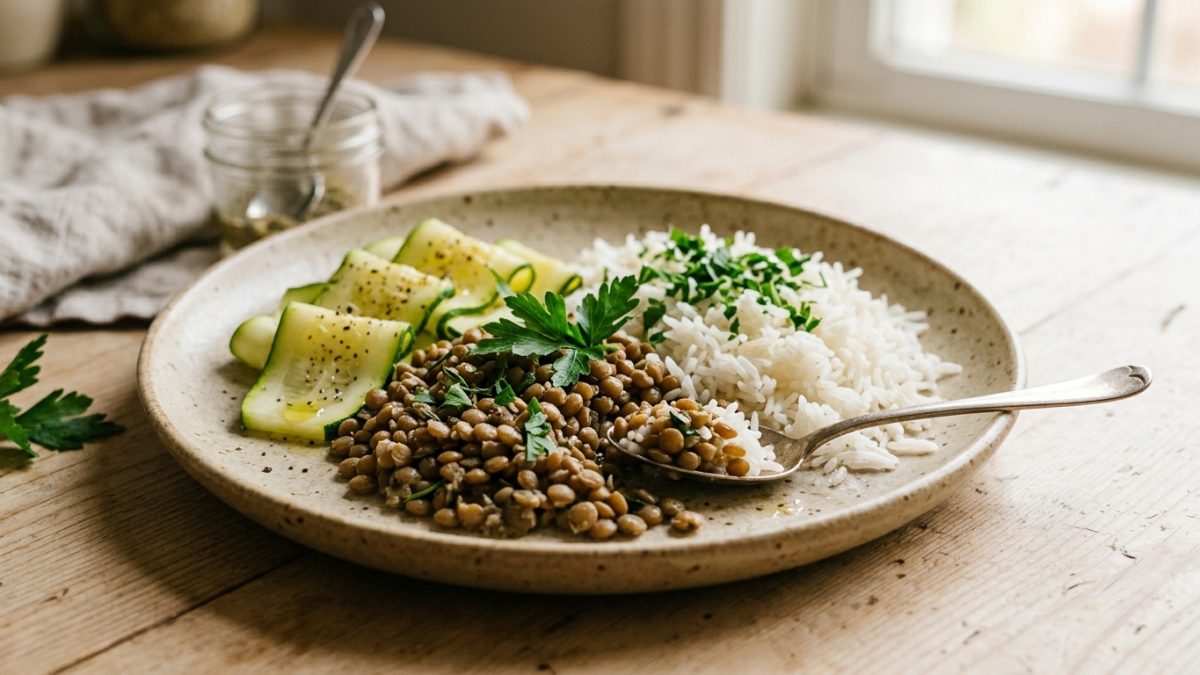
When you have spent months struggling with unpredictable digestive flare-ups, discovering the Low-FODMAP diet feels like finding an oasis in the desert. Within 7 to 10 days of eliminating garlic, onions, wheat, beans, and stone fruits, the bloating subsides, the pain calms down, and you finally feel a sense of control over your body.
But then, an insidious problem develops. What was designed at Monash University as a short-term 4-to-6 week diagnostic elimination protocol turns into an anxious, permanent lifestyle. Weeks turn into six months, then a year. And when you finally muster the courage to eat a spoonful of hummus or a slice of sourdough bread, your stomach explodes in severe distress.
1. The Biological Cost of Long-Term Elimination
FODMAPs stands for Fermentable Oligosaccharides, Disaccharides, Monosaccharides, and Polyols. These are simply scientific terms for prebiotic plant fibers. While they produce gas in sensitive individuals, they are also the primary food supply for your most beneficial bacterial strains, notably Bifidobacterium longum and Akkermansia muciniphila.
When you eliminate FODMAPs long-term, you inadvertently starve these keystone species. Peer-reviewed trials published in Gut demonstrated that strict adherence to a low-FODMAP diet for more than 4 weeks reduces intestinal Bifidobacteria concentrations by up to 50%. Without these protective microbes to produce short-chain fatty acids, the intestinal mucus layer thins, and visceral hypersensitivity actually increases over time. You become more reactive to food, not less.
| Diet Phase | Recommended Duration | Microbiome Effect | Clinical Objective |
|---|---|---|---|
| Phase 1: Elimination | 2 to 6 Weeks Maximum | Calms visceral nerve hypersensitivity; temporarily lowers gas volume. | Establish a calm baseline and confirm food sensitivity. |
| Phase 2: Systematic Testing | 6 to 8 Weeks | Identifies specific tolerance thresholds for distinct carbohydrate groups. | Pinpoint individual triggers (e.g. fructans vs. polyols). |
| Phase 3: Micro-Dosing Integration | Lifelong Practice | Rebuilds microbial diversity and restores mucosal barrier thickness. | Maximum dietary variety with minimal digestive discomfort. |
2. The “Micro-Dosing” Reintroduction Protocol
You cannot jump from zero beans to a large bowl of chili without consequence. Microbial adaptation requires gradual, sub-threshold exposure. Here is the gentle clinical method to reintroduce prebiotic fibers without triggering bloating flares:
- Start with Canned & Rinsed Legumes: Canned brown lentils and chickpeas have already leached a significant portion of their water-soluble galacto-oligosaccharides (GOS) into the canning liquid. Rinse thoroughly under cold running water for 60 seconds.
- The 1-Teaspoon Micro-Dose: Begin by adding just 1 level teaspoon of rinsed canned brown lentils to your safe lunch plate (e.g., alongside white rice and roasted chicken). At this tiny threshold, your microbiome receives prebiotic stimulus without generating enough gas to stretch visceral mechanoreceptors.
- Hold for 3 Days: Maintain this 1-teaspoon dose for three consecutive days. If your digestion remains calm, advance to 1 full tablespoon for the next three days, and gradually build up to 1/4 cup over 3 to 4 weeks.
- Leverage Soluble Mucilage: Always pair your reintroduction foods with soothing soluble fibers like rolled oats or peeled sweet potato, which form a protective gel coating in the digestive tract.




Leave a Reply